

May was a rough month unless you could partake in the Memorial Day sale bonanza, based on my experience.
Consumer spending data backs this up, according to EMARKETER:
US retail sales fell more than expected in May from April, the latest sign that tariff fears and economic volatility are affecting consumer spending.
There are signs of resilience, but plenty of red flags 🚩
Consumer confidence remains well below what it was at the end of 2024, as concerns about the economy, employment, and finances remain elevated due to ongoing volatility and lack of clarity on tariffs.
Even high-income consumers are beginning to rethink their spending, with many choosing to trade down or pull back on discretionary categories like dining out and luxury goods
Turns out Meta is like X and LinkedIn, it doesn’t want your links in the main post.
Users have reported seeing the following message when preparing to post a link in Facebook page posts:
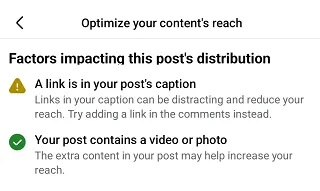
Maybe that means that you should be including all of your post links in the first comment, and an image in the main post, which is what many high-performing publishers on Facebook are currently doing.
Amazon 🤝 Roku
Amazon Ads and Roku Announce Partnership Creating the Largest Authenticated CTV Footprint
Advertisers can now deliver on Roku surfaces via Amazon’s DSP.
This Exponential View episode is worth a listen as a quick overview of the current tech inflection points, like:
- the AI layer upending the current ad funded model of the “open” internet
- why we should approach AI model advancements with optimism
But this is the big one for me:
It”s no longer about phones. It’s about ambient computing.
Ambient, invisible computing
I started writing about this way back in 2020, this will be the biggest marketing shift of the era.
Apple’s liquid glass is the public facing beginning of this shift (for them).
Jasmine Enberg gets it:
people aren’t going to buy your product, tariffs or not, if they don’t know who you are
Building a brand is expensive in the short run and cheap in the long run
This SparkToro post that the messaging categories we emphasize to clients are really as old as Aristotle.
Pathos - Emotional
Ethos - Functional / Relational
Logos - Logical / Data-centric
You have to have all three and they get used at different times for different audiences.
If you knoll you know
Sorted verses unsorted pictograms should be used strategically, depending on whether the messaging is promotional or prohibitive. If eight out of 10 dentists endorse a toothpaste, for example, a sorted pictogram would make consumers feel favorably about the toothpaste. However, when depicting that 8% of children alive today will die if current smoking trends continue, an unsorted pictogram would be appropriate.
research…found that frequency pictograms, which convey proportions and probabilities, induce optimism in consumers when they are presented in a sorted way.
facts don’t have any meaning unless people pay attention to them, and people pay attention to, and remember, good stories.
Save your features rich messaging for the purchase decision moment.
“Once upon an 800 lb weight capacity…” doesn’t hit the same.
Match the narrative your shopper is telling themselves in the moment they meet your message.
via Collab Fund
Marketing is messaging. And messaging is the act of setting expectations by guiding perception.
This Nudge newsletter on placebos covers it well.
Adding the color red to a painkiller pill makes it more effective.
We assume customers are rational.
We think there’s no way a headache can be cured by colouring.
But the sham surgery proves that’s not true. Marketing alters our perception.