

What about adding white space when it comes to copy?
Emotional messages should be below / at the bottom of the image.
The lower part is associated with the heart—emotions. That’s how we think.
Feature / specification (rational) messaging should go above / at the top.
We associate up with the brain and rationality.
Like with pricing, direction matters.
Increasing the white space between products on your site also increases customer favorability of your products and almost doubled sales in the study.
The space allows for easier identification and mental processing by shoppers.
Every book is just the most words. It doesn’t let up. Every page is more words. It’s like ‘what are you talking about?” Put some blank pages in there. Let me get my head above water for 2 seconds.
A heads up for any social media managers and Reels makers out there:
More Insta going TikTok, but it means your content could be shared or repurposed outside the garden’s walls.
You can turn the download option off through Settings > Privacy > Reels and Remix and tap on the “Allow people to download your Reels” toggle.
&
a Reel that uses a licensed audio clip, the downloaded video will not have any audio.
Simple Modern recently hit 1 million orders via their Shopify site and one of the co-founders tweeted out the 3 focuses that led to this success. I care about #1:
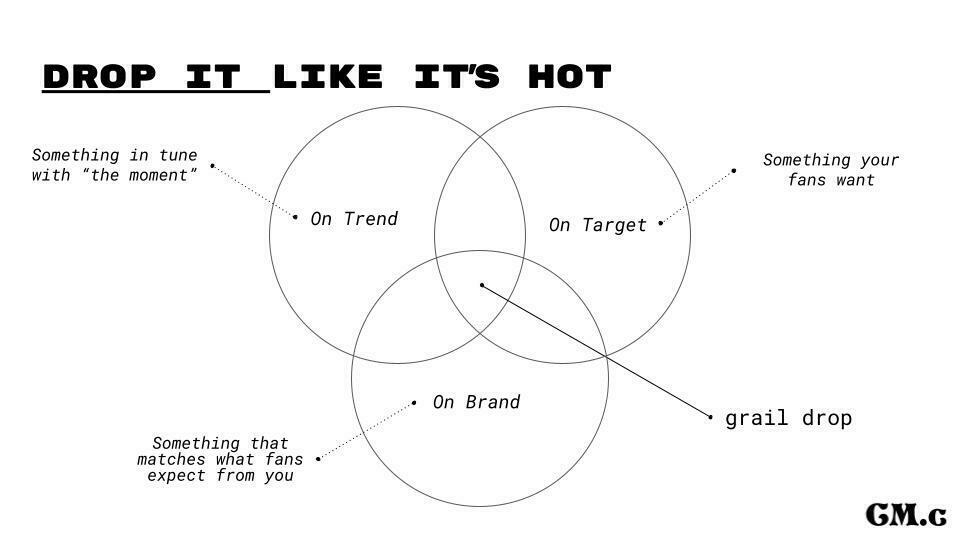
Limited Edition Drops
SUPREME is king at this, but you can’t just drop whatever and watch the money roll in.
Every new product release can be turned into An Event™, but over doing the drops is like overdoing sales, it dilutes the value prop.
consumers would like their smartphones to recognize their daily commute and suggest picking up coffee on the way
Sounds like a job for AI personal assistants.
the ability to take photos of products they see with their smartphones and be automatically directed to the product page for purchase
The traditional search engine as a mass platform is dead.
they want integrated shopping and entertainment experiences
So do the streaming platforms, Amazon has been working at this for a while.
Moral of the story: shoppers want experiences to be low friction and multi-modal.
influencers aren’t as influential as they once were
&
the creation of modern content experiences is shown to be one of the most effective ways to build trust
But
Only 5% said they’re more likely to purchase new brands instead of brands they trust.
Is owned media the new influencer channel?
Is discovery dead?
What makes consumers trust brands?
I think this is the shine coming off TikTok.
Consumers know influencers are the new sales people and they’ve been burned one too many times by crap products, which makes them wary of unfamiliar brands too. So they’ll check out the brand’s channels to see if they’re legit, which means investing in content.
According to Etsy the trends of the season are all about whimsy, comfort, and nostalgia.
I consider this a post-pandemic rebound trifecta.
Sephora’s recent biannual sale snafu carries two good lessons.
It may be time to rethink the mass drop model since serve scaling is expensive. Ticketmaster has been getting blasted for the same thing. But if you’re going to drop, at least have decent messaging ready for when things crash.
Maybe sales can become brand holidays instead of just accounting exercises. Sephora runs two sales a year and shoppers plan for them. They don’t need to align with a shopping holiday, they are a shopping holiday for the stans. And that’s much more valuable.
Generations are garbage but the rise of dupes amongst younger shoppers is probably a sign of mainstream shopping behavior to come.
“Dupes,” short for “duplicate,” are cheaper alternatives to premium or luxury consumer products
Inflation and rising interest rates has destroyed weak brand loyalty and could make it more common for people to buy a dupe as a proof of concept purchase before shelling out for the name brand version.