

I’ve been thinking about this lately:
As your fans and customers change you have to make the choice if you’re going to change and develop along with them or simply pass them off to the next iteration of what you do.
Are you for a moment or a life?
Either is fine (aside from the sustainability of disposable trends), but knowing and embracing is important.
Are you thinking about your audience wrong?
There’s the audience you envision and the audience you get.
Some brands are well aligned.
Some (like Stanley Thermos) discover they’ve gotten a new audience and adapt.
& some (like podcasters in the article linked above) might miss an opportunity.
Shifting screens
Piggybacking off the ads in Prime Video post from earlier, the end of the free money train means streamers are shifting from a subscriber growth focus to a profit growth one.
Which means higher prices or (more) ads.
Or both, just in different tiers.
Also, there may be no such thing as “premium” in streaming:
Streaming ad price ranges are narrowing. The high ad prices Disney+ and Netflix initially asked for have lowered.
Is this the digitization of ad prices? The closer a platform gets to having an online self-serve, the more price parity they’ll have with alternatives.
More ads in more places: Prime Video edition
Starting in early 2024, Prime Video shows and movies will include limited advertisements.
In the U.S., [Prime Video ads] will reach an estimated 115 million viewers on a monthly basis.
Amazon now papers over any profit problems by turning up the advertising dial.
Using a noun in place of a verb turns something from an action into an identity.
Example: being “someone who runs” vs. “a runner”
But…
This won’t work if the noun you’re using sounds patronizing.
It probably also won’t work when the noun you’re using is polarizing.
And if you’re trying to encourage action, don’t use a noun that seems time consuming and costly.
When should you use it?
for encouraging customers to cement their existing behavior.
Embrace the fandom, use nouns.
From a piece on holiday campaign inspiration:
Gap leaned into the nostalgia around their vintage pieces and crafted a campaign that told the stories of diverse families spanning multiple generations, all leaning into Gap’s products.
From a piece called Nostalgia isn’t enough on the same campaign:
The problem here is not only deep-rooted creative staleness and corporate risk-aversion, but the fact that both brands are pushing for nostalgia as a strategy when it’s only a tactic, and for believing that only select people are iconic in the post-icon age.
Ecomm Success Tip: Drops
This started life over on the linkblog, but I think it deserves more space so I'm bringing it over here.
It started with this tweet from one of the co-founders of Simple Modern.
We're thrilled to reach 1 million @Shopify orders.
— Bryan Porter (@jbryanporter) November 16, 2023
Thanks @harleyf and @tobi for making this possible.
Simple Modern is an example of a native Amazon brand having success in DTC.
How we've done it without spending a ton on ads:
The Challenge:
Amazon and DTC pricing… pic.twitter.com/1a3PBxjAJj
The first breakthrough focus is the one I'm interested in:
1. Limited Edition Drops
Messaging is a unique strength of DTC. As customers use the website you gain e-mail addresses and phone numbers.
Consistently dropping product they want gives you something valuable to talk about. It drives customers back to the website, creates scarcity when successful drops quickly sell out and makes subscribing valuable.
Best case scenario, drops create organic viral social content.
If a product becomes so popular you can't stay in-stock, prioritize DTC
SUPREME is king at this, but you can’t just drop whatever and watch the money roll in (Supreme might actually be able to).

Every new product release can be turned into An Event™, but overdoing the drops is like overdoing sales, it dilutes the value prop.
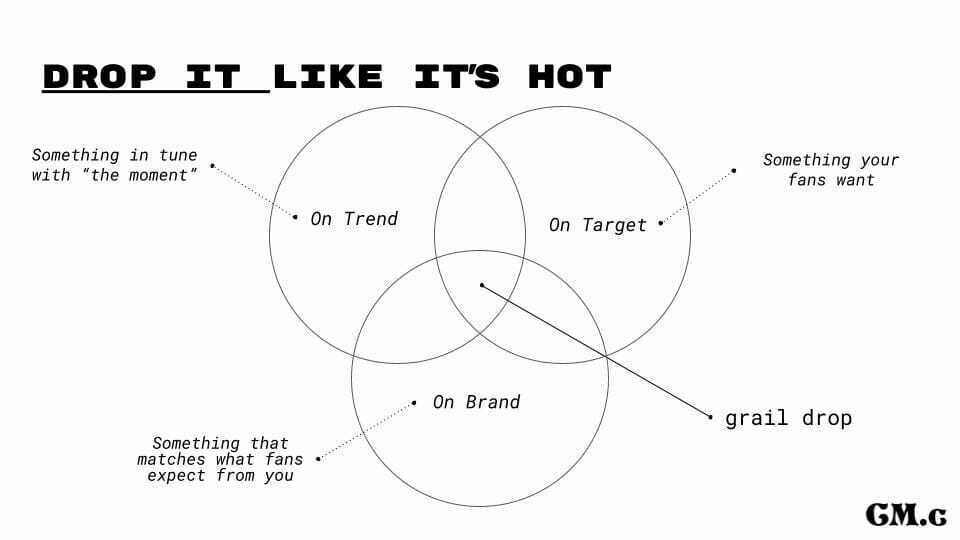
The above diagram is an adaptation of one from the Cult Your Brand post.
 Kyle Mensing
There are 3 ways to approach a drop:
- Drop something that is on trend: of the moment, jumping on the zeitgeist
- Drop something that is on brand: exactly what your fans expect from you
- Drop something that is on target: something your fans want
An example of the first one would be Stanley dropping a candle, car accessory, or something around fire safety. (Confused? Click here.) It would be a very "we know TikTok" move, but wouldn't necessarily align with the fanbase or brand rep.
An example of the second is most product releases—a new item or design or colorway. Like when RNNR introduces a new hat. This is the most basic and common drop type, because it's just introducing a new product. With some added fanfare.
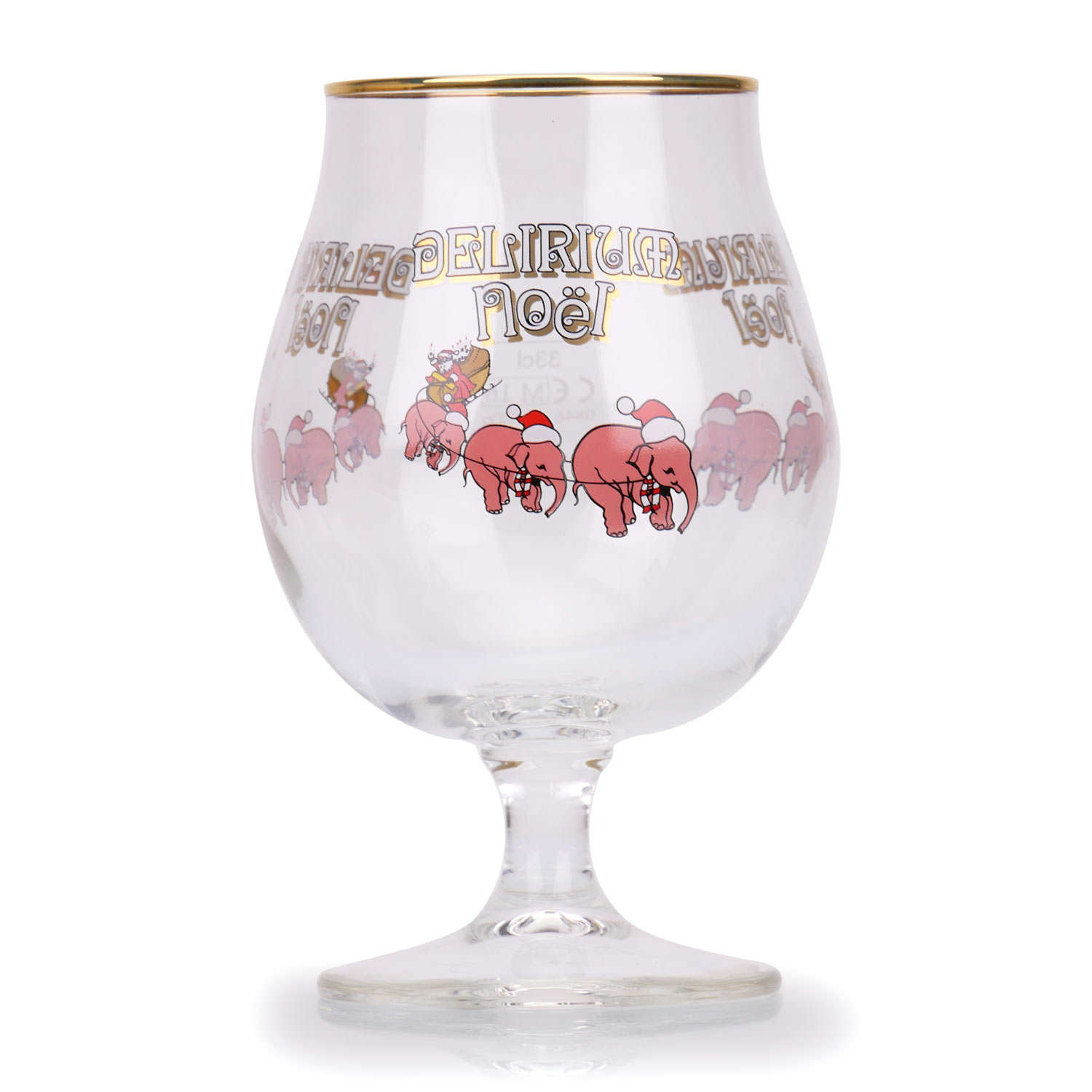
An example of the third is especially common this time of year (happy holidaze!)—a seasonal product extension. Think of a coffee company (say, Death Wish) releasing a special Christmas mug for easy gifting (self or otherwise) along with a bag of beans (the product they are known for). Or a beer company releasing a holiday glass (pink elephants look cute in santa hats). Or a Tiffany keychain. These are things your fans want—they display their fandom—but they aren't core to your brand offering (though that might not hold as true for the Tiffany example).
The magic happens when more than one of these types align, especially if it's all three.
Let's bring this back to Simple Modern and end with an example (one I am making a lot of assumptions about because I have no clue how it worked for them but have to imagine they have this drops thing pretty well figured out by now).
Is it on trend? Fortnite has been back in the news for good reasons (I think) and is still popular, so going to say "yes" here.
Is it on brand? Simple Modern is probably most well known for their water bottles and tumblers, so yes.
Is it on target? I'm going to guess yes and give them the benefit of the doubt. But Fortnite has a large fanbase so it's not hard to guess there will be some overlap with Simple Modern fans. And SM does plenty of IP licensing for their designs so it's not weird for them to be doing it here.
TL;DR:
Drops are a great way to grow your retail—especially ecommerce—success, but there can be different levels of success.
The goal should be to drop a product (or something else (more on this soon)) that delivers something your fans want while staying aligned with their expectations of your brand and also being in tune with the larger cultural moment.
Easy, right?
(1) Strategy is making decisions that involve trade-offs. That’s why choices in games are a marker of the strategic thinking required.
(2) Simple frameworks go a long way in helping us make better decisions as they help us better appreciate the trade-offs.
Strategy & frameworks: 2 of my favorite marketing things
More ads in more places: Airplane edition; or, grocery stores in everything
United Airlines may start pulling from its treasure chest of passenger data to help companies show targeted ads to its customers
these personalized ads could end up on the seatback screens onboard United aircraft or when using its mobile app
Companies everywhere are suddenly realizing they have “first party data” they can use.
And important to remember, (in most cases) they aren’t selling this data. They are selling access to it. You buy ads against the data.