

Eventually all large platforms become commerce platforms
When ChatGPT users search for products, the chatbot will now offer a few recommendations, present images and reviews for those items, and include direct links to web pages where users can buy the products.
The ChatGPT search update is part of OpenAI’s effort to compete with rival Google by creating a better, more personalized experience to find products and information on the internet.
Everyone is coming for Google these days.
via TechCrunch
Perplexity wants to be Google, but based in AI vs. traditional search.
From TechCrunch:
“That’s kind of one of the other reasons we wanted to build a browser, is we want to get data even outside the app to better understand you,” [CEO Aravind] Srinivas said. “Because some of the prompts that people do in these AIs is purely work-related. It’s not like that’s personal.”
This aligns with the company’s vision and is not a recent pivot, but you can tell they smell blood in the water with Google’s regulatory woes.
The easiest job in marketing is to give people what they’re telling you they want. And sometimes companies even mess that up.
This story (YouTube link) from Bryan-Michael Cox shows the value of listening to fans.
The fans were asking for this song. First of all, they didn’t even put the song on the album initially. The fans were asking for the song because…they were playing songs during the pandemic on a Live and played the snippet and the snippet went viral. And everybody asked for the song and the album comes out, the song’s not on the album. So they had to go do a re-release.
Each individual is a heliocentric universe in which they are the sun.
When it comes to your marketing, they don’t care about you. They care about how your offer and brand fits into their universe as a satellite.
Don’t talk about you. Talk about what you do for them.
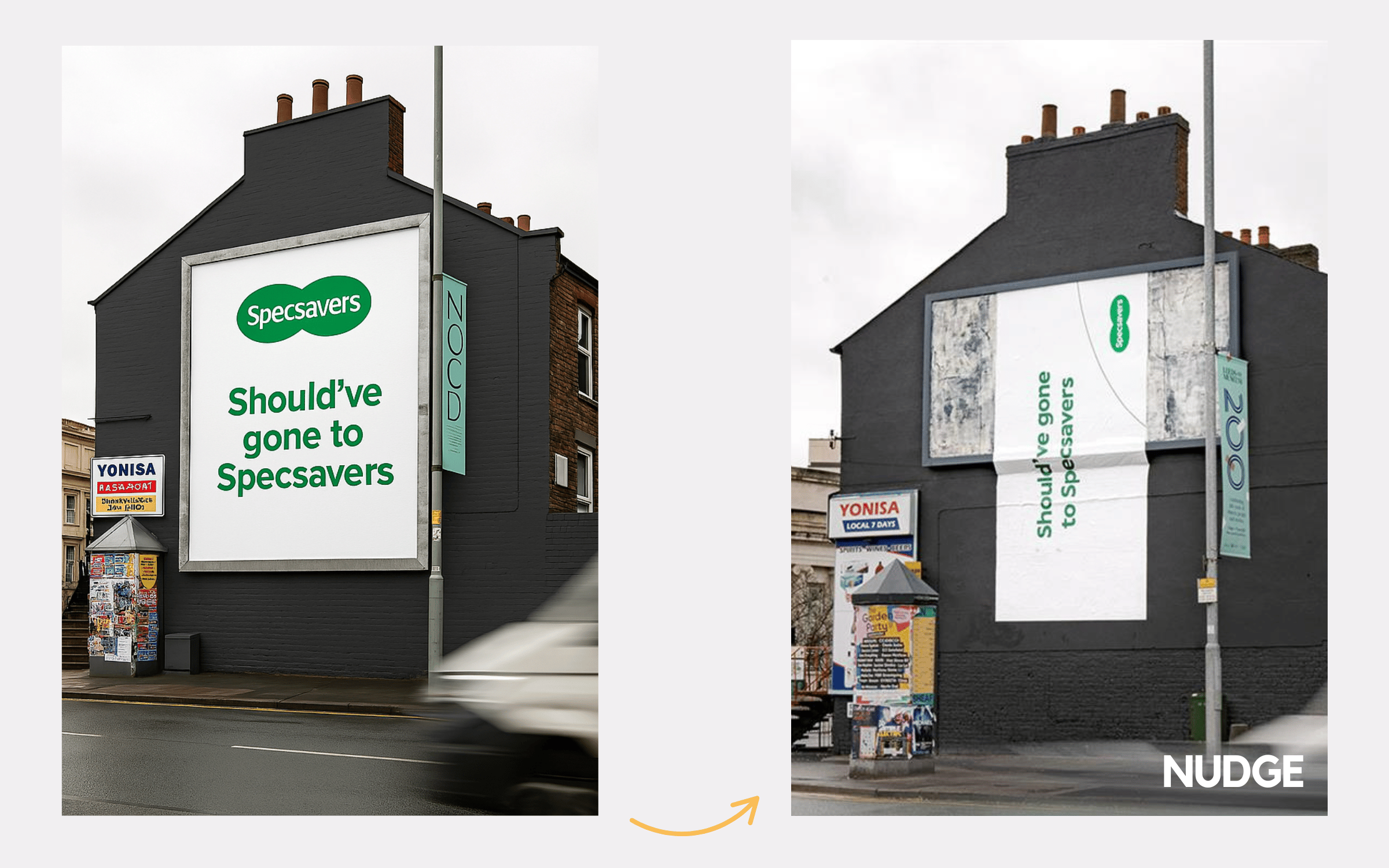
This highlights the difference between “creative” as a noun and “creative” as an adjective.
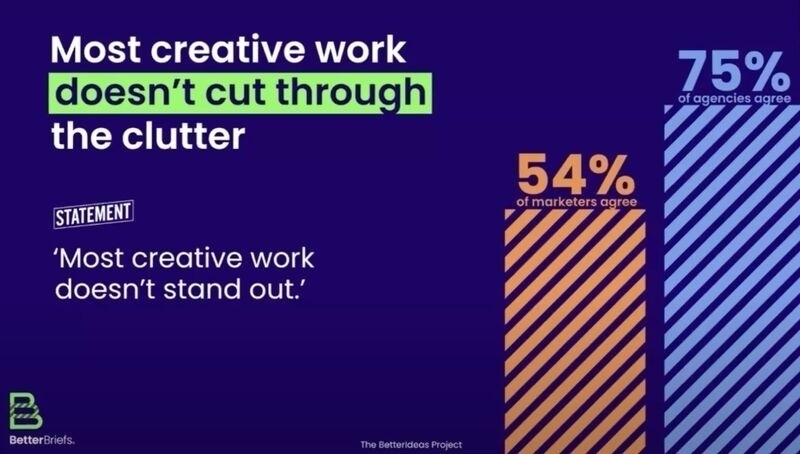
A creative piece of creative stands out in a sea of uncreative pieces of creative.
via Edward Cotton
It’s no so much the tariffs themselves (though they’re certainly not helping, especially for anyone relying on goods from China), but the uncertainty about what, when, and how much that is wreaking havoc on planning right now.
Some large companies are refusing to even give guidance in earnings reports because it’s a fool’s errand.
The supply chain signals are clear though:
the CEOs of Target, Walmart, and Home Depot convened with the president to warn that supply chain disruptions caused by tariffs will lead to notable product shortages in their stores within just a couple of weeks
Freight company HLS Group told clients earlier this month that it has already recorded 80 cancelled vessels out of China as tariffs crunch demand
Here’s how the DOJ & friends want Google to break up its search monopoly:
- No more paying for default status (this was the obvious ask)
- Get rid of Chrome
- Open source the data—queries, coverage, performance, etc
If it’s still a monopoly in 5 years, Android could be on the chopping block.
The advertising remedies are kind of weird…
- Provide more information to advertisers in search query reports
- Let advertisers opt out of broad and automated keyword matching.
On the first one, sure, whatever.
But on the second, feels like advertisers refusing to change and wanting their old toys back.