
Nike: A Cautionary Tale
- Expensive in the short run
- Cheap in the long run
But a strong brand can also become a crutch.
See: Nike.
When you’re trying to build a brand you’re aggressive. Focused.
Your focus is on meeting your customer where they are and doing the things that create moments of delight for them. On doing the things that make people, first, fall in love with your brand and, then, talk about it to others. To begin to incorporate your brand into their identity.
Once you’ve built your brand—reached that mountain top—you can start to lose focus.
You can start to forget about everything you did to get to this spot and start to think you deserve this spot.
You can make choices based on financial models and balance sheet forecasts and forget those dollars come from people.
And while you’re looking in the wrong direction, the next group of brands is doing all the stuff you did to get here.
Building a brand is the beginning. Once built, it requires maintenance.
Brands aren’t owed anything.
&
Everything is customer service.
I posted on LinkedIn to “pay attention to the details.”
Called it a note to self, maybe should have been a note to Costco.
Costco recalled nearly 80,000 pounds of its Kirkland-brand butter products last month because they were missing a legally-required “Contains Milk” allergy statement.This recall could’ve been avoided and impacted completely usable products, which has the potential for major losses for Costco. Don’t let this be your product – always make sure to double-check product packaging before going to production.
Customer service is a chance to create delight and impact. It can amplify or undermine the marketing investments that you say are importantAs in all things, getting the systems right is the foundation for everything else that follows.
Everything is customer service
According to EMARKETER, we’re almost at peak media with “a plateauing of consumption in the 11 media formats measured.”
Americans are forecast to add 5 minutes of media consumption next year, and 4 the year after.
Social is basically saturated.
What’s your reach strategy now?
Think outside the feed.
I ended my post on lessons from Dropout with:
Trying to do what the industry heavyweight(s) does but a bit better is not a viable plan. Finding the gap in their model—the unserved audience—is a winning plan.
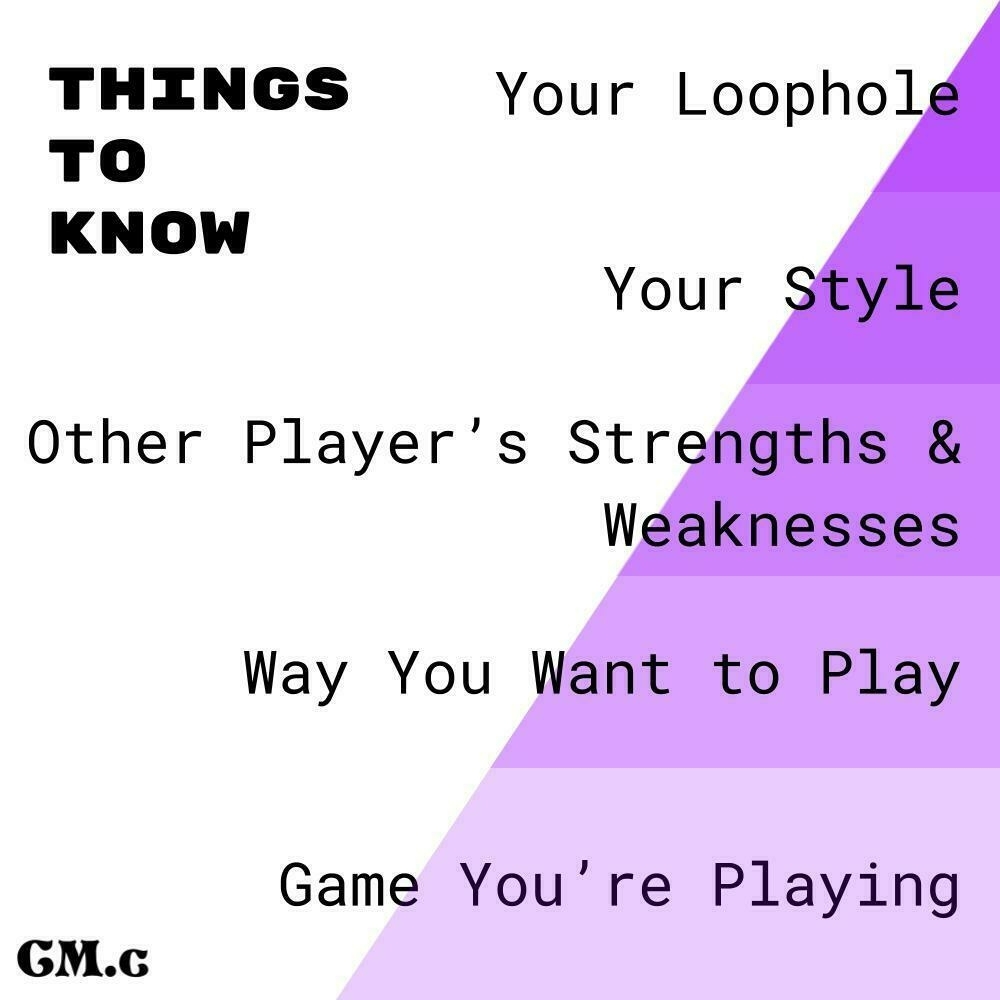
Know the game you’re playing. Know the way you want to play it. Know the strengths and weaknesses of the other players. Know your style. Know the loophole.
I decided to make a diagram
consumer confidence fell unexpectedly mid-October
What could have caused that 🤔
Fall 2024: the vibe got weird #analysis
there’s a lot of uncertainty. There’s financial strains. The election is behind us, but there’s always a transition uncertainty that happens that gets people no matter who wins. And if it’s your side or not your side, that still gets people a little bit worried before the official transition happens next year. So I think consumers are coming from a place of I don’t want to say scared, but a little bit more cautious
People might just ease into 2025 at this point.
Seth builds on this sentiment in this great podcast strategy walkthrough.
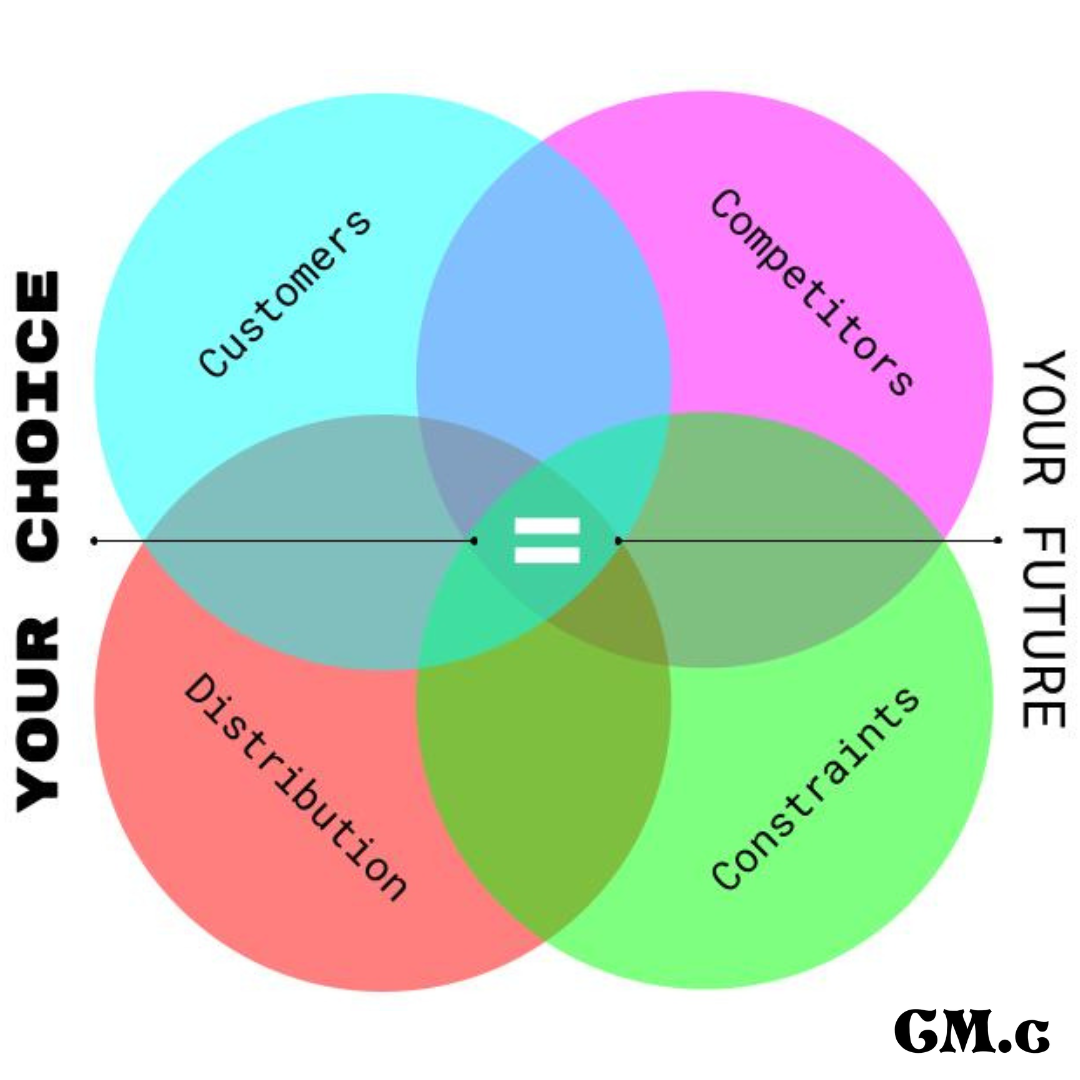
There are 4 decisions you make that determine the future of your business.
When you pick your:
- Customers
- Competitors
- Distribution
- Constraints