

- 36% stronger unaided brand recall vs. standard video ads
- 95% of viewers prefer adding products to cart over immediate purchase
- Higher CPMs: 10-15% above industry standards
A new study reveals the promise and limitations of interactive TV advertising. The key findings:
The real question is: will people want to shop from their TV?
In a sense we already do this when we buy a movie, but that feels different than buying a shirt, etc.
Google and Amazon (and Paramount (via Walmart)?) get an immediate advantagege since they can drive you to an app where you are logged in and already shop.
Sounds like clickbait: an idea so wild it just might work!
The idea is that the US would require Google to make its search index publicly available for anyone to use.Wouldn't this be taking something that belongs to Google, though?Not really. The search index is a collection of keywords and other data from websites created by other people and other companies — not Google.
This would be interesting, and API access could be a revenue stream. But it feels unlikely.
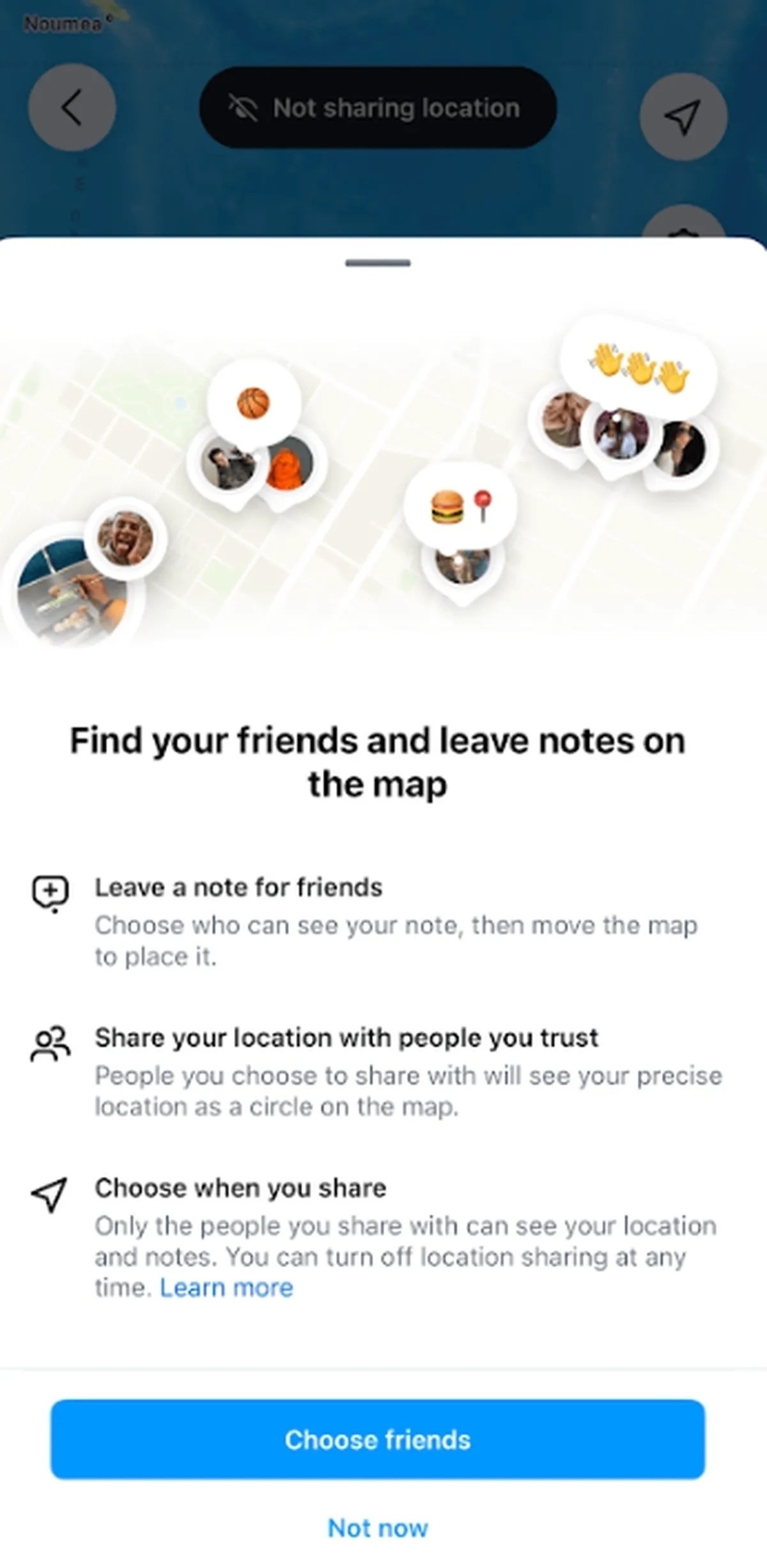
As TikTok and Instagram unseat Google in the realm of local search, I see a realm of possibilities for [things like] Meta Maps and SnapMap.
👀
image via The Verge
Google wanted advertisers to turn everything over to the algorithms with Performance Max, advertisers pushed back and asked for a peek inside the black box. Big G blinked.
Based on your feedback, we’re starting to roll out conversion metrics to Performance Max asset reporting for all advertisers globally to help you understand what’s working well and further optimize your creative.YouTube video placement reporting for Performance Max is now rolling out as well, helping you ensure that your ads appear in brand-suitable places.
Oh yeah, and more AI.