

This post from Jyll is a must read for any paid account manager.
As it turns out, when we only show ads when people are searching for exactly what we offer, we don’t show many ads because not many people are searching for exactly what we offer 🙃
Performance marketing without brand marketing won’t actually perform.
Performance channels like paid search are demand capture channels.
That demand needs to be created somewhere. And in this era of content overload and distraction, it’s getting harder to capture attention and create demand.
Omni-channel is the only channel.
Meta is developing its AI search engine (and apparently has the “most-used AI assistant in the world”).
Now OpenAI is fully launching ChatGPT search
ChatGPT can now search the web in a much better way than before. You can get fast, timely answers with links to relevant web sources, which you would have previously needed to go to a search engine for. This blends the benefits of a natural language interface with the value of up-to-date sports scores, news, stock quotes, and more.
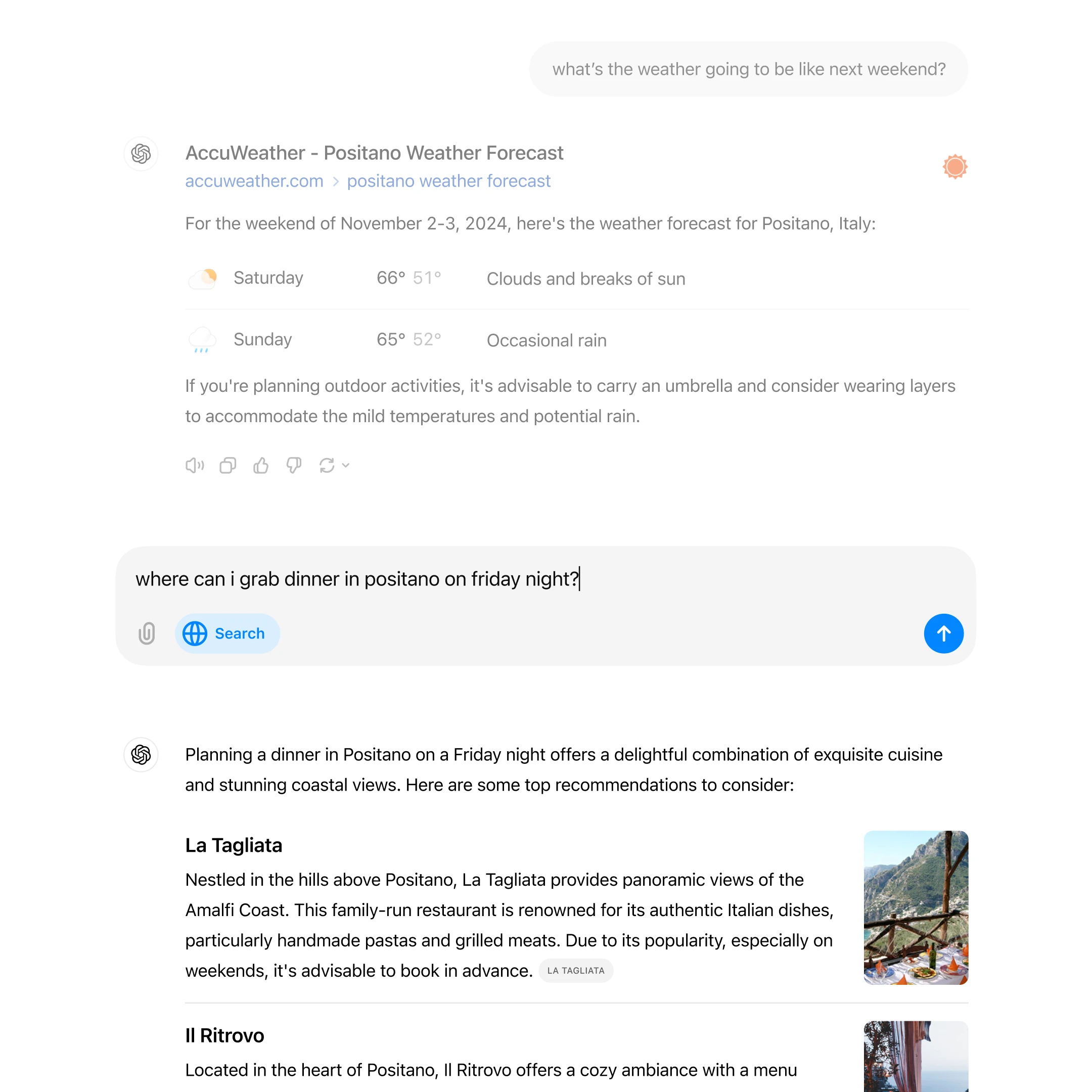
Search is now about your preferred interface, experience, and engine.
We always tell clients that what they think is boring is probably what they need to talk about the most.
Because it might be a mystery to the people you’re trying to talk to.
Your everyday is what someone else is trying to hire for. Or the problem they are trying to solve.
All this to say, I love this quote:
In the words of my late friend Jay Levinson, “Don’t change your story when you’re bored, or when your partner is bored, or when your team is bored. Change your story when your accountant is bored.”