

Some email A/B tests to consider running:
- Subject lines
- Message text
- Framing of message (question vs. statement, etc)
- CTA text
- Best days for sending (look beyond open rate)
- Best time for sending
Click rates are overrated if you aren’t driving the action you actually want.
I agree.
Click rates (and all click metrics) are proxies for actual business goals. Don’t over optimize the proxy and lose sight of the real goal.
The OG Patagonia?
One last story from Morgan Housel to close out the week.
Sugar, milk, and eggs were all rationed during World War II. Many food companies adapted to use different, often lower-quality, ingredients to get by.
See’s Candy was so obsessed with quality that it refused to lower its standards. One holiday season it closed down and put signs in its store that read, “Sold out. Buy war bonds for Christmas.”
Was See's Candy the original Patagonia?
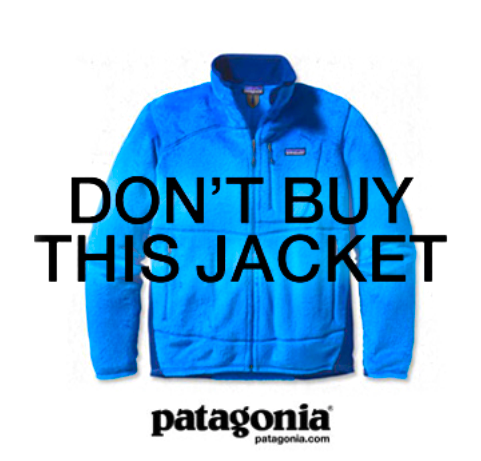
If you believe in the quality and purpose of your brand so much that you would rather consumers not buy it than budge on those principles, you have a strong brand vision.
If consumers cheer the move, you have a strong brand.
More on the Don't Buy This Jacket campaign.
These 5 Prelaunch Secrets can be generalized to 3 ongoing tasks that build strong brands.
-
Learn about your customers: how they function, what their pain points are, what their aspirations are
-
Build trust: brands a promise delivery engines. Break consumer trust, break your brand.
-
Iterate: brands cannot be static
This question from the Growth Daily newsletter is in line with something I’ve been thinking about more and more for brands:
How would your product be branded and marketed if it was in a completely different industry?
A Story About JFK
Here's another short story that illustrates two recent posts:
- Sales is marketing (and everything is marketing)
- It doesn't matter what you mean, it matters what they think
Again via Morgan Housel.
Again, I'm not going to indent since it's long, so everything between the lines is the quote.
JFK and Jackie Kennedy didn’t have a great relationship. In 1955, two years after their marriage, Jack told his father, Joe Kennedy, he wanted a divorce.
Joe responded: “You’re out of your mind. You’re going to be president someday. This would ruin everything. Divorce is impossible.”
Jack reiterated that he and Jackie weren’t happy.
His father shot back: “Can’t you get it into your head that it’s not important what you really are? The only important thing is what people think you are!”
The marriage endured.
Everything is sales.
This is an extreme example for a specific scenario. But it could also be argued Bud Light didn't take this advice recently (that controversy is still stupid).
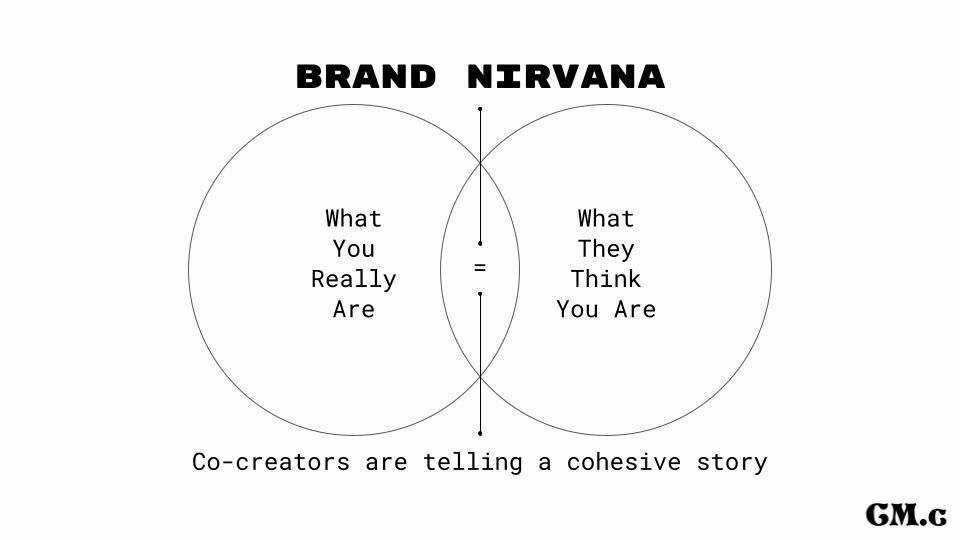
The true key is to craft, maintain, and co-create your brand in such a way that what you are and what they think you are is the same thing.
A new podcast ad spend report is out and some big brands are making big moves into the space.
HP leads the Movers category, increasing their $1,226 June spend to $802,531 in July. A modest 65,000% increase. The smallest increase in the top 15 was 480%.
Do these increases indicate early performance returns? Or only one day of ads in June? Or new budgets for a new fiscal year? Or just a dartboard budget number approach?
Is a ‘retail-cession’ slowly brewing as the holidays approach?
Consumers may just be shopped out. How many of us need new stuff after the pandemic years?
“Guests are out at concerts,” [Target CEO Brian Cornell] said. “They’re going to movies. They’ve seen Barbie. They’re enjoying those experiential moments, and they’re shopping very carefully for discretionary goods.”
Making up for lost time.