


It’s not just about delivering the right message to the right person.
It’s about delivering the right message to the right person at the right time in the right context.
In the words of Phill Agnew:
Our surroundings always anchor us.
Some Google updates you might have missed earlier this year:
Exclude age groups from shopping placements in Performance Max campaigns
an AI sales assistant in shopping related search results (in testing)
Demand Gen campaigns are adding display network to the placement portfolio at the ad group level (so much for quality).
Video Action Campaigns are being migrated to Demand Gen, but you
will be able to use Demand Gen to create a YouTube only performance campaign
More robust campaign planning with Advanced Plans. Looks to offer options based on your objective, recommending the campaign type mix and budget allocation.
Customer Match list membership duration will be capped at 540 days
Louis Grenier & co shared some great nuggets on a fun CXL webinar earlier this week:
- “Strategy is deciding what not to do”
- Don’t just aim for no, but say no
- Do something unrelated to your core services to stand out
- Don’t be broad, be focused in your messaging
And, of course, the key to this whole business thing:
Find a group of people that have struggles in common that you can serve by solving them in your own unique way
What memorable message is your marketing leaving?
Is it easy to remember?
Does it focus on the customer or action?
The Art of the Deal author and Big Daddy Xi continue their game of tariff checkers with a new round of negotiations.
In the near term, penalties are way down
Amid the 90-day pause, Trump’s 20% fentanyl-related tariffs on China, imposed in February and March, will remain. That means Chinese goods entering the US will face a 30% tariff, down from 145%, while US goods going the other way will be subject to a 10% levy from Beijing, down from 125%.
Could Google’s best anti-trust defense be to play up its coming irrelevance?
Apple SVP of Services Eddy Cue said last week that AI will one day replace search engines like Google.
Cue said he expects Safari to eventually swap out Google for AI services from up-and-comers including OpenAI, Anthropic, and Perplexity.
Which of course brings to mind the Twain-ism, “the reports of my death are greatly exaggerated.”
In the long run, Google’s 10 Blue Links™ approach is likely dead, a former monopoly. But how long is that long run?
via The Daily Upside
Charlie Day with the advice all marketers need to hear:
A good campaign probably has a little bit of risk. You’re much better off taking the risk and taking the swing on something that could be wildly successful.
Playing it safe is planning to fail.
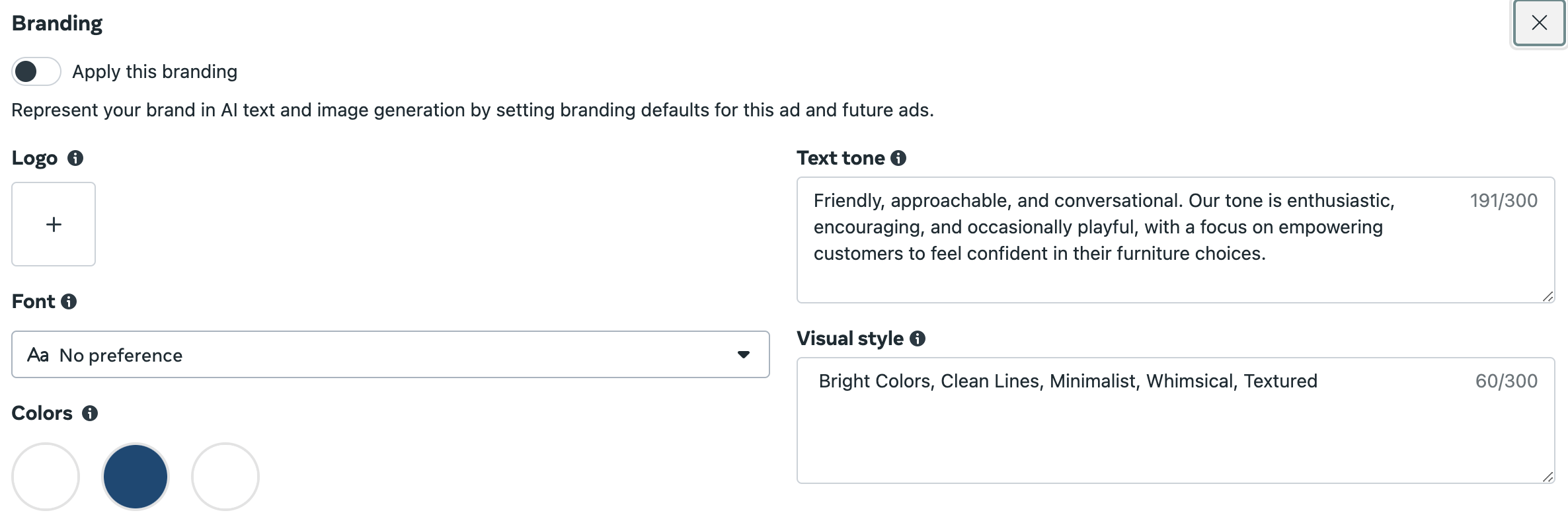
You can set brand guidelines in Meta Ads Manager to help steer / personalize the AI to your brand for more on-brand generative options.
Another clear step towards less direct input from marketers and more genAI in the ads platform (and everywhere else) a.k.a. Zuck’s dream.