

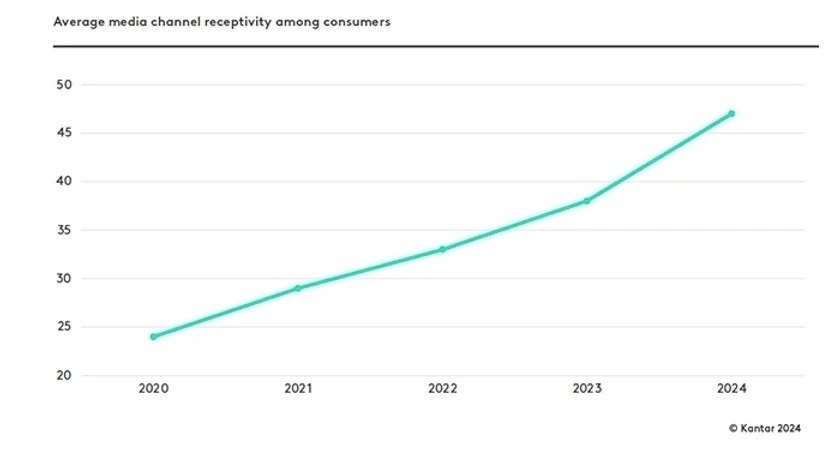
U.S. Media Reactions Report finds people overall are being more receptive toward advertising. Nearly half (47%) of people surveyed say they have a positive feeling towards ads in general.The report also points to a “misalignment” in the way marketers are spending their dollars.“It’s notable that marketer dollars don’t necessarily follow where consumers want to see advertising, nor do they always follow the exposure opportunity,” the report says.
The theme persists
The most surprising thing I found about business was the large concern for finance and low concern for service.
–Henry Ford
Not being concerned about service is a great way to make finance concerning.
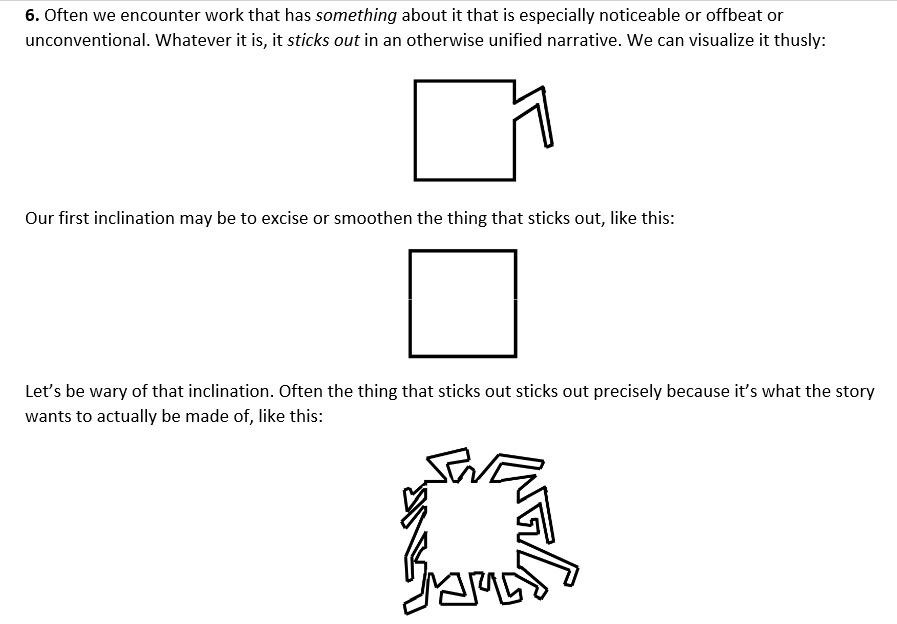
What sticks out attracts attention. Which is kind of the point.
Don’t smooth the edges of your marketing.
Polished surfaces are hard to hold onto.
from Luke Geddes via Austin Kleon
This is handy
Here is a quick look at the differences in post life on some of the major platforms:
- TikTok: 0-2 minutes
- Twitter: 15-18 minutes
- Facebook: 5-6 hours
- LinkedIn: 24 hours
- Instagram: 48 hours
- YouTube: 20 days
- Pinterest: 4 months
- Blog Posts: 2 years
(The page does not load properly for me on mobile. I recommend desktop or using the Wayback Machine to grab a cached version.)
The Chick-fil-A Play app will launch on Nov. 18 and will feature a variety of content, including an original animated series, scripted podcasts, games, recipes, and e-books — all designed to entertain families“We’re not looking for heads-down, solo screen scrolling,” said Dustin Britt, Chick-fil-A’s executive director of brand strategy. “Everything on the Chick-fil-A Play App is designed to encourage more talking, laughing, and playing together both online and in-person.”
I still don’t know what to make of this, but it could become a trend for major brands.
Streaming splintered the media landscape (and Netflix has won). Could the next wave of entertainment platforms be brand extensions vs standalone brands?
The differences between the most and least productive companies can be startlingly high. By one estimate, in the US alone the most productive firms in a sector can be more than two to four times more cost-effective than the least productive ones.
No company is owed an ongoing existence simply for existing before.
With each interaction, it is earned or lost.
I’m always looking for ways to do keyword research “better,” so I like this
A simple technique for more search traffic:
- Find a subreddit related to your business.
- Pop the subreddit link into Ahrefs (our go-to keyword generation tool) and look for the keywords that the page ranks for.
- Take the list of keywords and use them to optimize your content.
If a jacket is made by Patagonia or a piece of hardware is made by Teenage Engineering, you can probably tell who made it the first time you see it, even without a logo.
When your brand has fingerprints, don’t do things that require you to wear gloves.
Build a brand that doesn’t need explicit branding.