

LLMs love YouTube
YouTube is cited 200x more than any other video platform in AI search results
If SEO 4 LLMs is about showing up where the spiders are crawling, it might be time for your brand to start a YouTube channel.
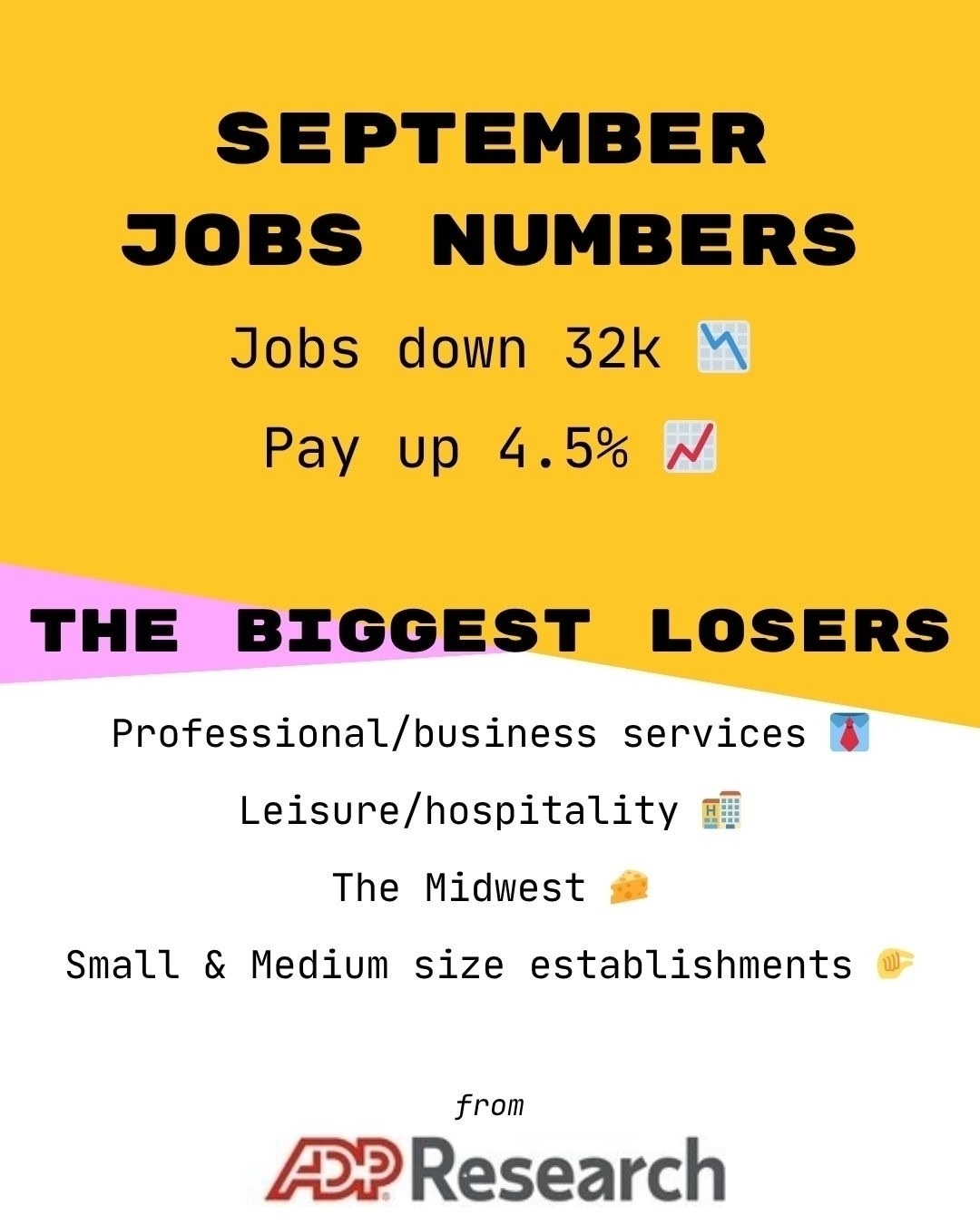
Jobs report: fewer jobs, better pay?
No federal jobs data this month due to the shutdown, so ADP’s data will have to do:
Private sector employment shed 32,000 jobs in September and pay was up 4.5 percent year-over-year
&
“Despite the strong economic growth we saw in the second quarter, this month’s release further validates what we’ve been seeing in the labor market, that U.S. employers have been cautious with hiring,” said Dr. Nela Richardson, chief economist, ADP.
More ads in more places: Mastercard edition
Mastercard unveils a dedicated network to deliver personalized content across channels at scale.
Advertisers come to Mastercard to deliver tailored offers and content (i.e., cashback, discounts, incentives, advertisements and more) to specific audiences aligned to their own business goals.
From the landing page:
Leverage our extensive network of publishing partners to reach millions of actively engaging, permissioned consumers
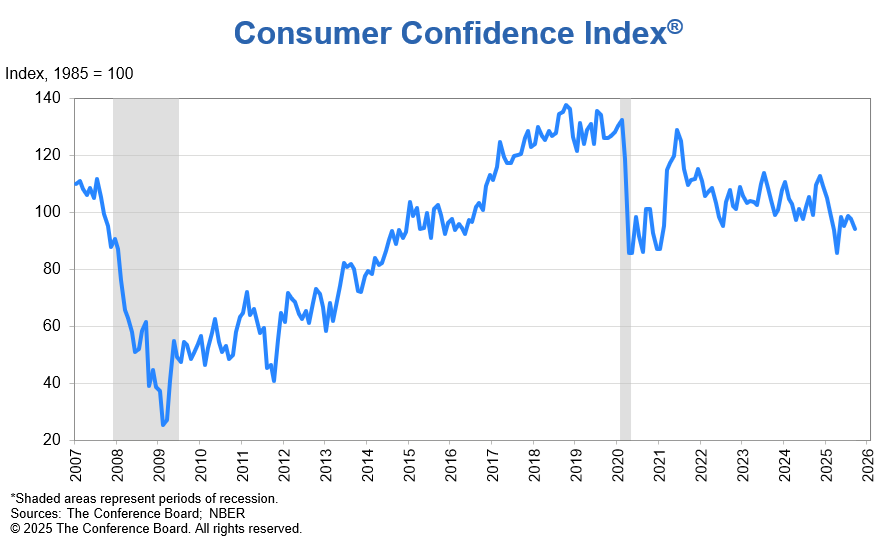
A sharp deterioration in consumers’ views of the current economic situation weighed on confidence
😬
Present situation vibes dropped 7 points .
Expectations dipped (again) and have now been below 80 (the unofficial recession signal) since February (maybe giving credence to the rolling recession hypothesis?).
Consumers’ write-in responses showed that references to prices and inflation rose in September, regaining its top position as the main topic influencing consumers’ views of the economy.
🗺️
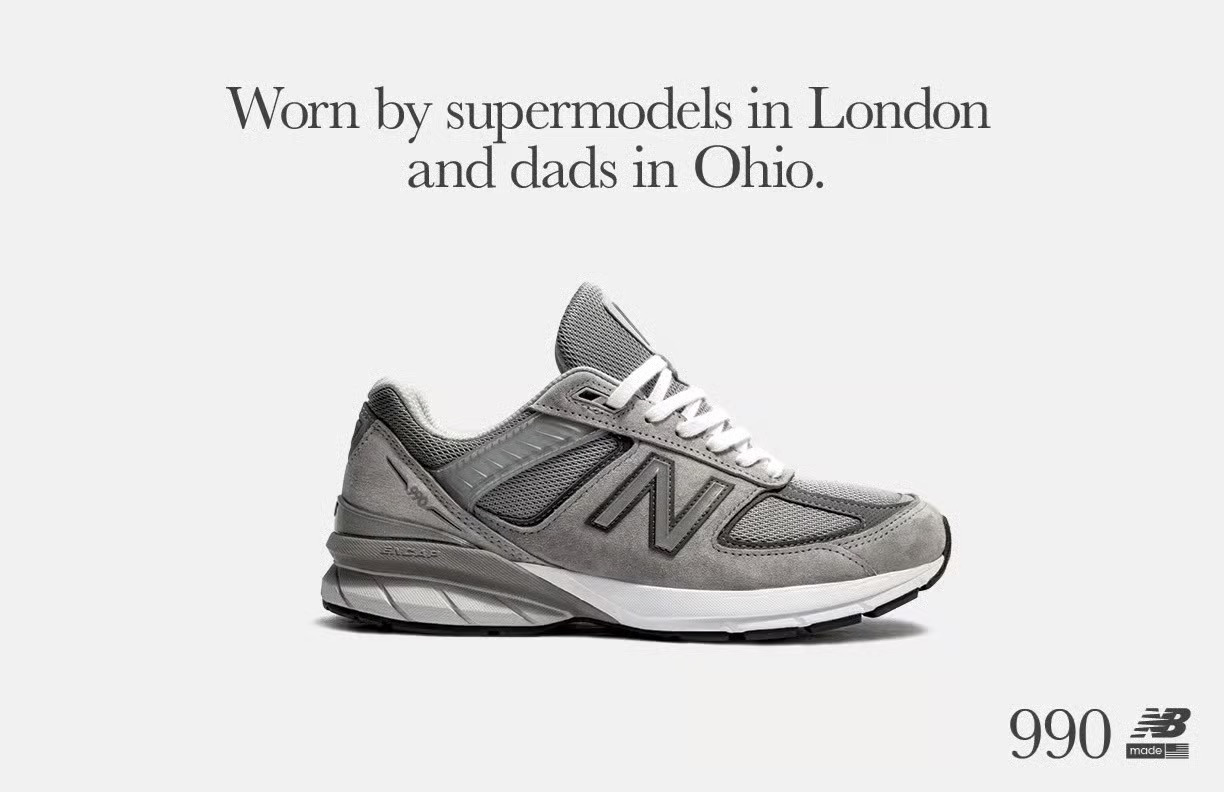
The key to branding and messaging in a post-AI world? Personality
Average is easy to churn out at a superhuman clip. Stand out by saying things that only apply to your brand.
I’ve seen this advice a lot lately, this classic New Balance ad is a great example.
Say something only you can say.
The Year of the Splinter 🐀 continues (more of a decade, maybe an era).
Relevant headlines:
The top 10% of Americans account for nearly half of consumer spending
highlighting the growing divide between high-income earners and middle/lower-income earners
Over half of consumers consider grocery prices a ‘major stress’
Nearly 9 in 10 US adults (88%) are stressed about grocery prices—including 53% who say food costs are a major source of stress
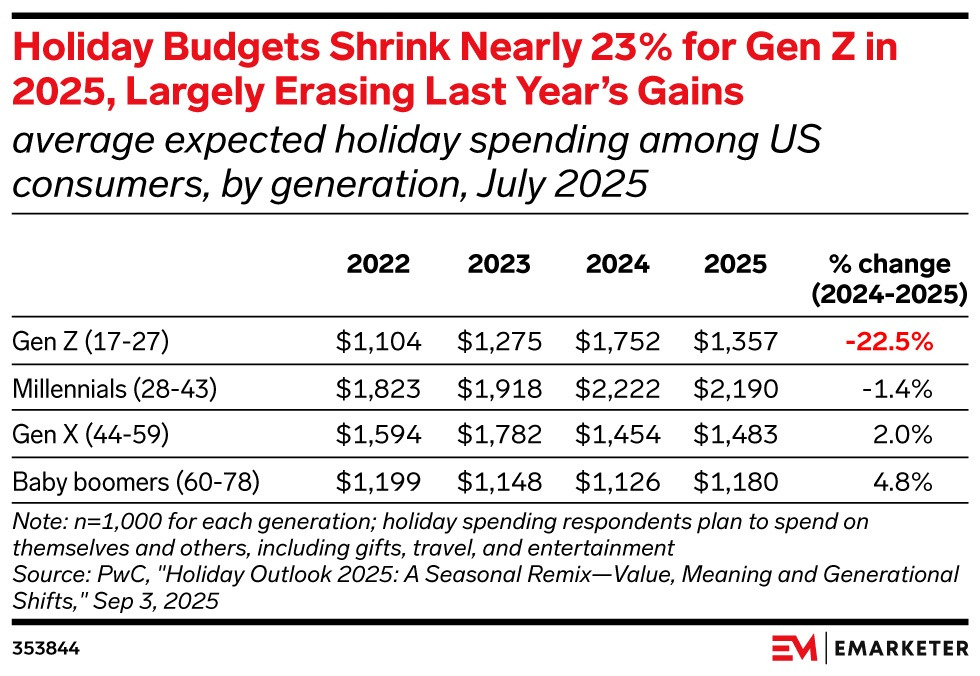
Gen Z holiday spending tanks in 2025
See also:
Plants need water to grow.
But they also need periods without water.
Watering everyday has the same end as never watering.
Algorithms want you to water your audience daily. Because it benefits them.
What is the right cadence for the results you want?
Beware your metrics: Google capped search results at 10 / page. No more 100 results on a page.
A lot of rankings tools are reporting issues and I’m noticing improved reported average ranks across Google Search Console accounts, likely from deep page data loss.
How are ChatGPT results changing?